
Five pasta dishes, and everything else comes after
Carbonara, amatriciana, gricia, cacio e pepe, oxtail: Roman cooking is short and admits no variations.
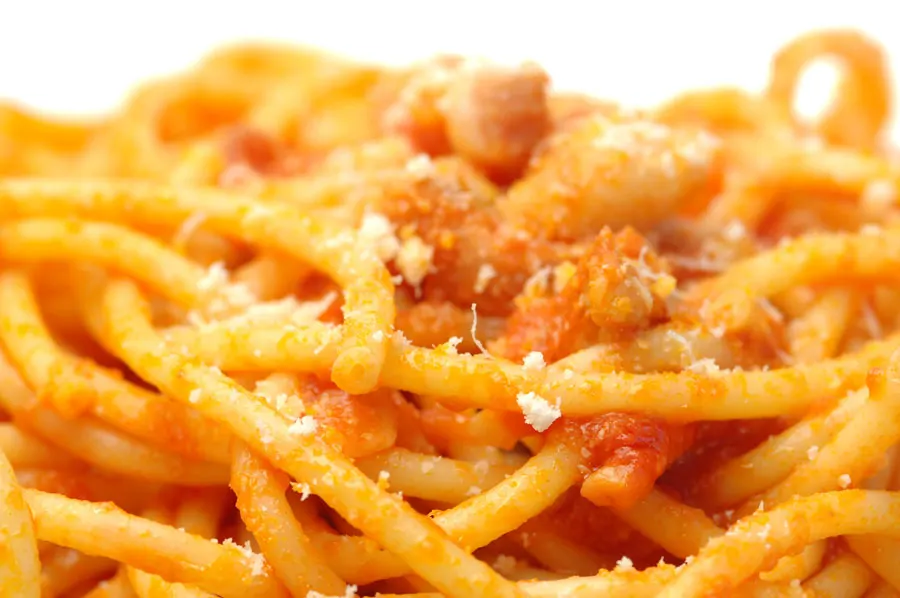
Roman cooking is a poor cuisine that became famous, and it has a rare quality: it is short. The dishes are few, they are made with four ingredients each, and on every one there is a consensus about how it must be done, which Romans defend with some energy. For campers that is good news: all of them can be made on one burner.
The pasta dishes
Guanciale, pecorino romano, pepper, egg, tomato: those five make four different pasta dishes. Gricia is guanciale and pecorino; amatriciana adds tomato; carbonara swaps the tomato for egg; cacio e pepe drops the guanciale. The fifth dish is oxtail stew, which is not pasta and is the legacy of the quinto quarto, the meat left to the slaughterhouse workers.
Outside Rome
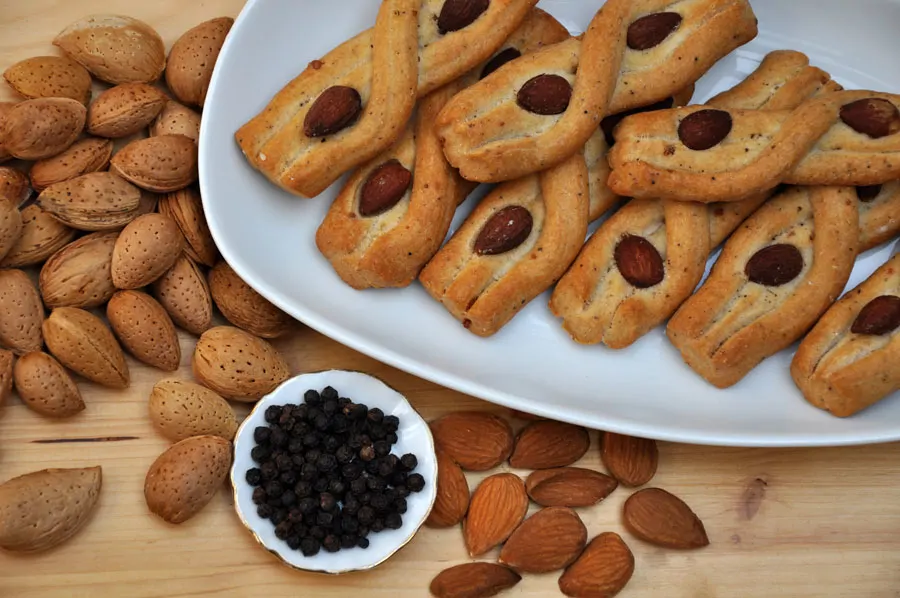
In the Ciociaria they eat fini fini and sagne, pasta of flour and water, and polenta with pork ribs. In the Castelli there is the porchetta of Ariccia, bought at a stall and eaten in bread. In the Tuscia, acquacotta is a vegetable soup with stale bread. On the coast the fish is simple: fried, or with pasta.
To drink
The whites of the Castelli Romani, Frascati and Marino, are drunk young and cold and go with everything. In the Tuscia they make the Est Est Est of Montefiascone, whose name comes from a legend about a German bishop and a servant sent ahead to find the good inns. At Cesanese, in the Ciociaria, they make the only important red in the region.
Where people eat
In Rome the real trattorie are outside the centre, in Testaccio and San Lorenzo, and they cost less than half of those around the monuments. In the villages the summer fair is still the best way to eat locally for very little: between June and September there is not a week without one.