
Four trips that stay out of central Rome
Roman roads, gardens, abbeys and towns that empty out: all within an hour and a half of the capital.
Rome is walked and deserves days of its own. These four itineraries are for the other days, the ones when you take the vehicle and go out: they start from a campsite in the ring or on the coast and are back by evening.
The queen of roads
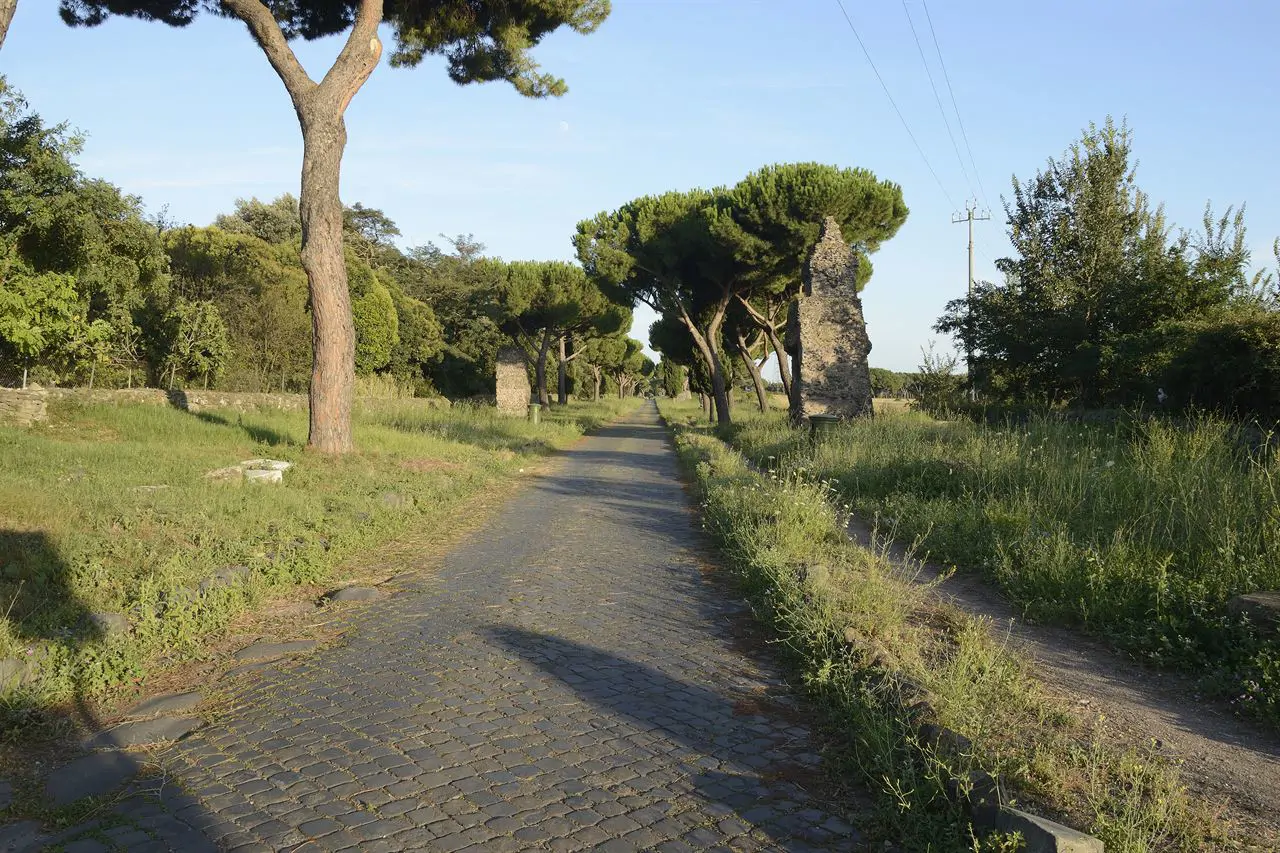
The Appia Antica begins at Porta San Sebastiano and for sixteen kilometres it is a park: original paving, pines, Roman tombs at the roadside, the catacombs and the villa of the Quintili. On Sundays it is closed to traffic and best done by bicycle. It is the only place where you walk on a road two thousand three hundred years old without anybody asking for a ticket.
The villas and the gardens
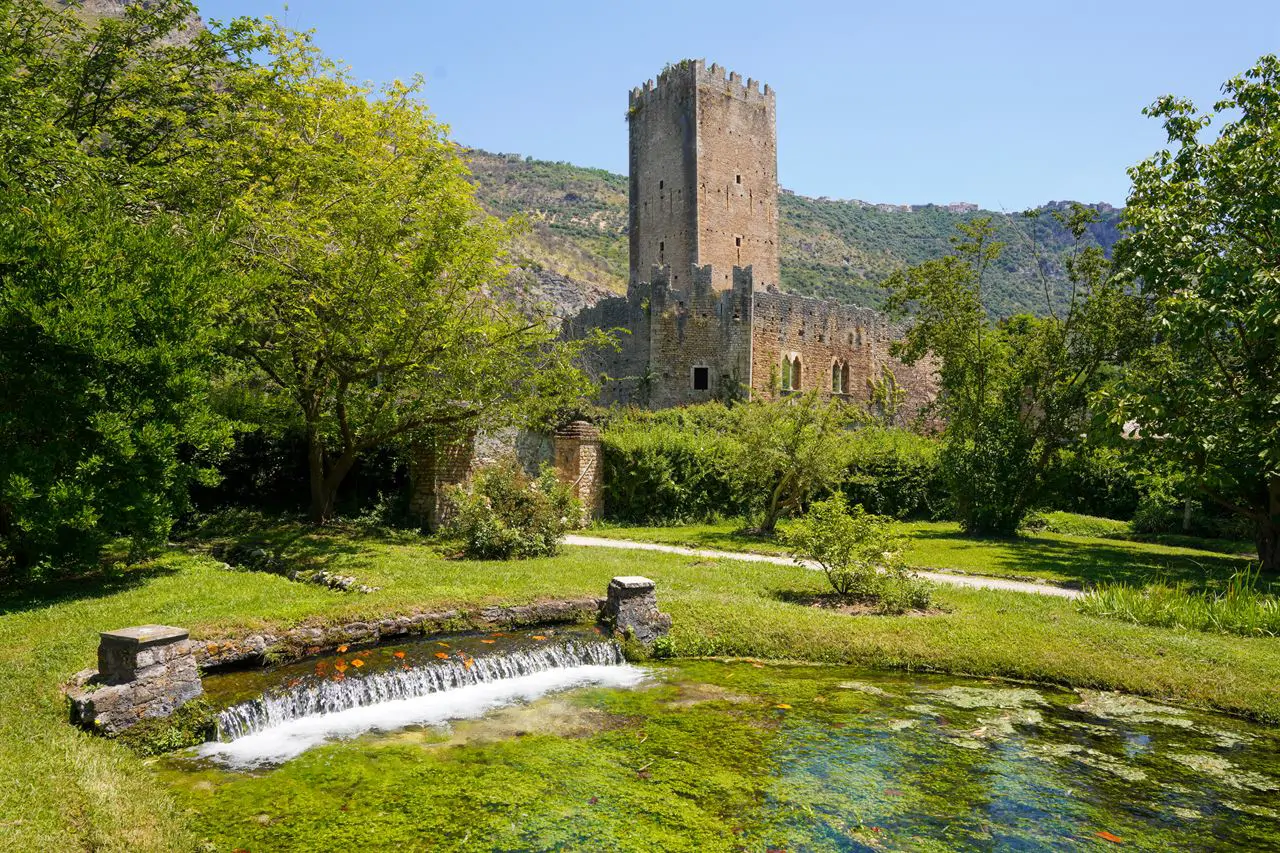
At Tivoli, an hour from Rome, two Unesco sites lie three kilometres apart: Villa Adriana, an emperor's residence the size of a district, and Villa d'Este, a garden made of five hundred fountains without a single pump. Further south, at Cisterna, the garden of Ninfa has grown inside the ruins of a medieval town: it opens only on certain days and booking is wise.
The abbeys and the Ciociaria
Between Frosinone and Latina three abbeys are worth the journey: Casamari and Fossanova, Gothic and Cistercian, and Montecassino, rebuilt after its destruction in 1944. Around them the Ciociaria is made of villages on hilltops, like Anagni with the palace of Boniface VIII, and of valleys nobody drives through.
The Tuscia of the Etruscans
North of Rome the tufa is riddled with holes. The necropolises of Cerveteri and Tarquinia are Unesco sites and they are two different things: at Cerveteri you walk among burial mounds as if through a neighbourhood, at Tarquinia you go down into painted tombs. Between them lie the vie cave, corridors cut into the rock ten metres deep, and Civita di Bagnoregio, which stands on a spur and is reached only on foot.